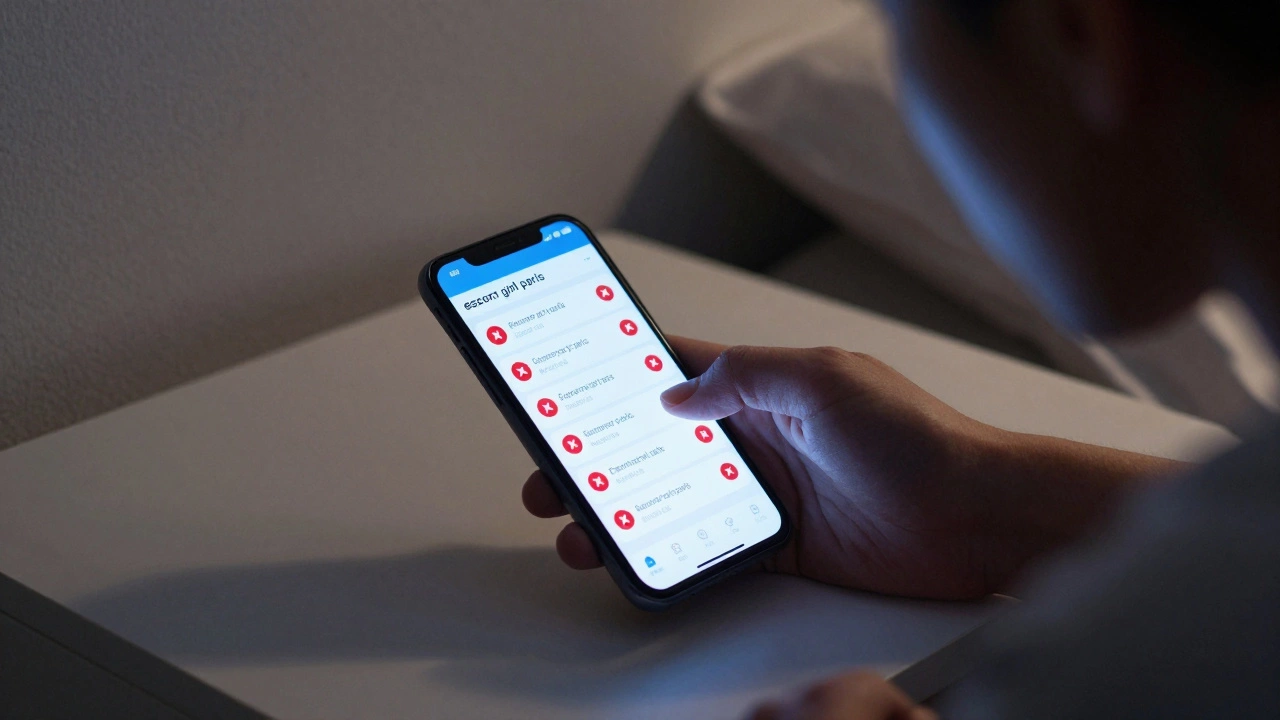
Ever opened your phone or laptop only to be hit with an ad that won’t close? You tap the X, but it pops right back. You swipe away, and another one follows. It’s not just annoying-it feels like your device is working against you. And if you’re seeing ads for things you never searched for, like escorr girl paris, you’re not just dealing with spam-you’re dealing with tracking that’s gone too far.
Ads are part of the free internet, sure. But when they turn into relentless pop-ups, auto-playing videos, or redirects to sketchy sites, they cross the line. You didn’t sign up for this. You didn’t consent to being followed across apps and websites. And the worst part? Most people don’t know how to stop it.
Where are these ads coming from?
Not all ads are created equal. Some come from the apps you installed. Others come from websites you visited. A few even sneak in through your browser extensions or outdated software. Ad networks use tracking cookies, device fingerprints, and location data to build a profile of you-and then sell that profile to advertisers who want to target you with specific offers. That’s why you suddenly see ads for escorr girl paris after browsing a travel site or reading a news article.
It’s not magic. It’s data. And once your data is out there, it’s hard to get back.
How to stop ads on your phone
On Android or iOS, the first thing to check is your app permissions. Go to Settings > Privacy > Ads (on iOS) or Settings > Google > Ads (on Android). Turn on Opt out of Ads Personalization. This won’t stop all ads-but it stops them from being tailored to your behavior.
Next, look at your installed apps. Uninstall anything you don’t recognize or haven’t used in months. Many free apps make money by showing ads-and some of them are designed to be hard to close. Look for apps with names like "Cleaner", "Battery Saver", or "Speed Boost". These are often ad farms in disguise.
Install a trusted ad blocker. On Android, try AdGuard or uBlock Origin (via Firefox). On iOS, use Safari with a content blocker like 1Blocker. These tools don’t just block pop-ups-they stop trackers before they even load.
How to stop ads on your computer
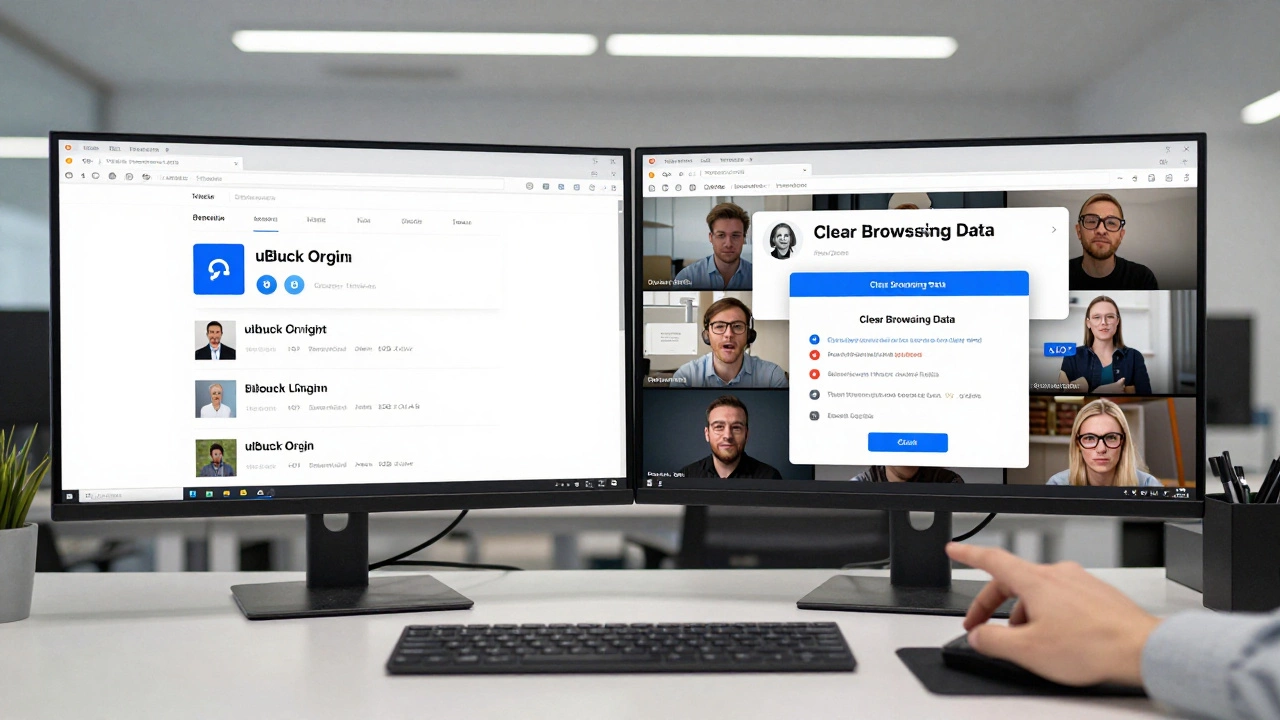
On Windows or Mac, most annoying ads come from your browser. Start by clearing your cache and cookies. In Chrome, go to Settings > Privacy > Clear browsing data. Select "Cookies and other site data" and "Cached images and files". Then click Clear data.
Now install an ad blocker. uBlock Origin is free, open-source, and works on Chrome, Firefox, Edge, and Safari. It blocks ads, trackers, and malware domains all at once. No pop-ups. No auto-play videos. No redirects.
Also check your installed programs. Go to Control Panel (Windows) or Applications folder (Mac) and uninstall anything that says "Download Manager", "Coupon Booster", or "Search Assistant". These are often bundled with adware that installs without your knowledge.
What about those "Subscribe to notifications" pop-ups?
These are some of the worst. They appear as fake system alerts: "Allow notifications to see more content!" But once you click "Allow", they can send ads directly to your desktop-even when your browser is closed.
To block them:
- In Chrome: Go to Settings > Privacy and security > Site Settings > Notifications
- In Firefox: Go to Options > Privacy & Security > Permissions > Notifications
- Look for suspicious sites in the list and click "Block"
You can also turn off notifications globally and only allow them for sites you trust-like your bank or email provider.
Why you’re still seeing ads after blocking them
Some ads don’t come from your browser or apps-they come from your router or network. If you’re on public Wi-Fi, your ISP might inject ads into pages you visit. Or, if your home network is compromised, malware could be redirecting your traffic.
To fix this:
- Restart your router-this clears temporary glitches
- Change your router password if it’s still the default one
- Use a VPN to encrypt your traffic and prevent ISP ad injection
And if you’re still seeing ads for escott paris after all this? You might have a deeper infection. Run a scan with Malwarebytes or Windows Defender. It’ll catch hidden adware that slips past regular antivirus tools.

What to do if ads are fake or scams
Some ads look like system warnings: "Your device is infected! Click here to fix!" Or they claim you’ve won a prize. These aren’t ads-they’re scams. Never click them. Never enter your details. Close the tab immediately.
If you accidentally clicked one:
- Don’t call any phone number you see
- Don’t download any "fix" software
- Run a full system scan
- Change passwords for any accounts you logged into recently
These scams target people who don’t know how to stop ads-and they make millions because of it.
Why you should care about stopping ads
It’s not just about annoyance. Every time an ad loads, it’s collecting data about you. Where you are. What you’re reading. How long you stay on a page. Who you talk to. That data gets sold. And sometimes, it ends up in the hands of people who use it to manipulate you.
Ads for escort paris girl might seem harmless. But they’re part of a system that tracks your interests, builds profiles, and sells them to the highest bidder. That’s not advertising. That’s surveillance.
Stopping ads isn’t about being anti-internet. It’s about taking back control. You own your data. You deserve to browse without being watched.




Write a comment